
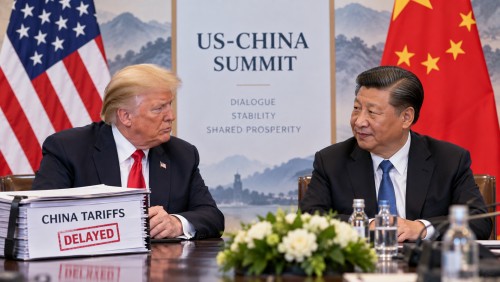
As global trade dynamics hang in the balance, the United States is poised to delay the imposition of new tariffs on China. This deferral is strategically timed to coincide with an impending meeting between U.S. President Donald Trump and Chinese President Xi Jinping. The high-stakes summit aims to navigate the complex terrain of trade negotiations, with tariffs being a central point of contention.
The Trump administration had been gearing up to release a report addressing China’s excess industrial capacity, recommending a 7.5% tariff on Chinese imports. However, the announcement has been postponed, potentially serving as a bargaining chip in the discussions. If implemented, these additional tariffs would elevate the overall U.S. tariff rate on Chinese goods to approximately 20%, a threshold Beijing has previously deemed acceptable within the parameters of the existing trade truce.
Negotiators from both nations are expected to engage in preliminary talks to lay the groundwork for potential agreements before the leaders’ summit. This meeting marks President Xi’s first visit to the United States since 2023, underscoring the significance of the bilateral discussions.
Earlier this year, the Trump administration initiated investigations into several major trading partners under Section 301 of the Trade Act of 1974. These inquiries focus on concerns related to excess production capacity, with potential tariffs adding to the existing duties and intensifying trade pressures on China and other countries.
China has issued warnings of possible retaliatory measures should U.S. tariffs exceed the current levels established during the trade truce. Chinese officials maintain that excess capacity issues should not be misused to justify protectionist policies. As both countries strive to reach trade commitments, the upcoming Trump-Xi summit will be pivotal in shaping the future of U.S.-China economic relations.