
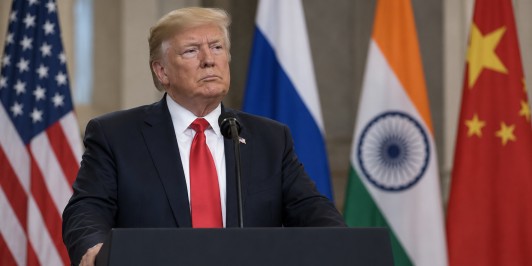
Amid ongoing efforts to resolve the conflict in Ukraine, the United States is considering a new approach that could impact major global energy markets. Recently enacted legislation provides U.S. President Donald Trump the authority to impose significant tariffs on countries purchasing Russian oil and natural gas. This move targets five of the largest buyers, notably India and China, as part of a broader strategy to pressure Moscow into ending the war in Ukraine.
The Lindsey O. Graham Sanctioning Russia and Iran Act of 2026, signed into law by President Trump, equips the U.S. administration with the power to levy tariffs as high as 100% on nations that maintain energy ties with Russia. This legislative development underscores Washington’s ongoing commitment to using economic measures to influence the geopolitical landscape and bring an end to the hostilities in Ukraine.
During a speech at the United Nations General Assembly, President Trump emphasized the potential use of these new tariff powers as a tool to exert pressure on Russia. He called for an immediate cessation of fighting in Ukraine, asserting that the newly granted authority under the sanctions law could play a pivotal role in achieving that objective. The law also encompasses sanctions targeting Russian officials, financial institutions, and energy networks alleged to be circumventing existing restrictions.
While the law grants the U.S. president discretion in applying these tariffs, it does not automatically impose them on India, China, or other major purchasers of Russian energy. The potential implementation of such tariffs remains contingent on the administration’s future decisions, leaving the exact impact on these countries uncertain for the time being.
Ukrainian President Volodymyr Zelenskyy has expressed support for the new sanctions, aligning with the U.S. strategy to bring Russia to the negotiating table. As diplomatic efforts continue, the international community watches closely to see how these economic measures might influence the dynamics of the conflict and the broader global energy market.