
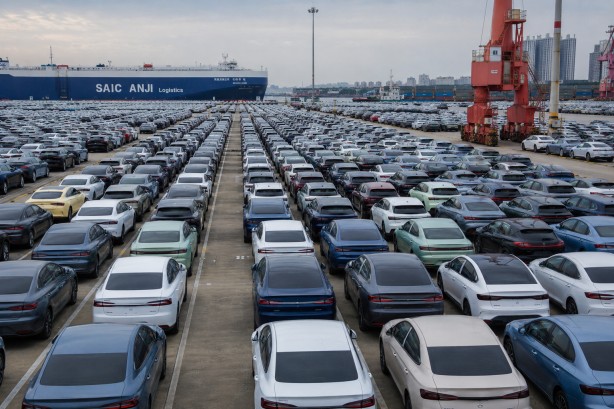
China’s emergence as the dominant force in the electric vehicle (EV) market has dramatically altered the global automotive landscape, driven by a surge in local companies and technological advancements. The country’s swift growth, however, is not without its challenges. Concerns are mounting over potential overproduction and the escalating competition within the industry.
The past decade has seen a proliferation of electric vehicle manufacturers in China, spurred by government incentives, burgeoning local investments, and a consumer base eager for clean transportation options. This environment has paved the way for the rise of several successful Chinese automakers and has bolstered the nation’s capabilities in battery technology. Yet, the rapid development of the EV sector has led to an imbalance in some regions, where production capabilities exceed current market demand. This has resulted in price wars and financial strains that are being felt throughout the industry.
As competition intensifies, manufacturers are slashing prices to entice consumers and secure larger market shares, making it increasingly difficult for smaller companies to survive. Meanwhile, the bigger players are continuing to pour resources into technological advancements, production capacity, and international market ventures. The Chinese government has recently expressed apprehension about the possibility of overcapacity, cautioning that unchecked expansion could pose significant economic risks.
Industry experts emphasize the need for a delicate balance between fostering innovation and maintaining healthy competition to ensure sustainable growth in the long term. Despite these challenges, China’s position as the global leader in electric vehicles remains unchallenged. Its manufacturers are not only solidifying their presence domestically but are also making significant strides in international markets, thereby influencing the future trajectory of transportation worldwide.