
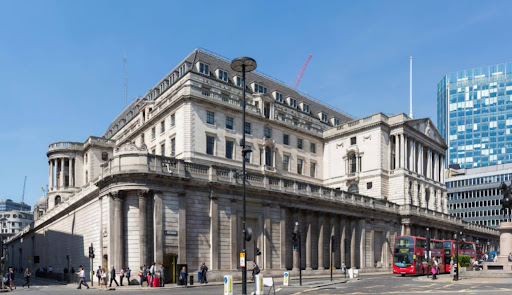
The Bank of England’s decision to hold rates at 3.75% on Thursday encapsulates the impossible position facing UK policymakers: an economy caught between a domestic slowdown and an external inflation shock that push monetary policy in opposite directions. The monetary policy committee voted unanimously to hold, acknowledging both the weakness in the UK labour market and the energy price threat from the Iran war. Officials warned that the conflict could push inflation above 3%, potentially requiring rate hikes even as unemployment rises and wage growth slows.
The domestic economy has been showing clear signs of softening. Unemployment climbed to 5.2% in the latest data, the highest level in five years, and wage growth slowed sharply in the three months to January. These indicators would ordinarily provide compelling justification for rate cuts designed to stimulate economic activity and support the labour market. The Iran war has disrupted that conventional analysis.
The external shock comes from the war’s impact on global energy markets. Oil and gas prices have risen sharply since the US-Israel operation against Iran began, threatening to push UK inflation back above 3% just as it had been approaching the Bank’s 2% target. The Bank now expects inflation to rise toward 3.5% in March and remain elevated throughout 2026, a materially worse outcome than had been forecast.
Governor Andrew Bailey acknowledged the dilemma openly. He said the Bank faced competing forces that made its task unusually difficult and that its response was to hold steady while assessing how events develop. He warned of the energy price risks while noting that the domestic economy’s softness was also a factor in the Bank’s deliberations. The conclusion was a cautious hold rather than action in either direction.
For UK households, the combination of a weakening labour market and rising prices represents a particularly unwelcome economic environment. Falling wages in real terms, higher mortgage costs, and potentially steeper energy bills could combine to create serious financial pressure in the months ahead. The government and the Bank both face a difficult task in navigating these competing forces without making the situation worse.