
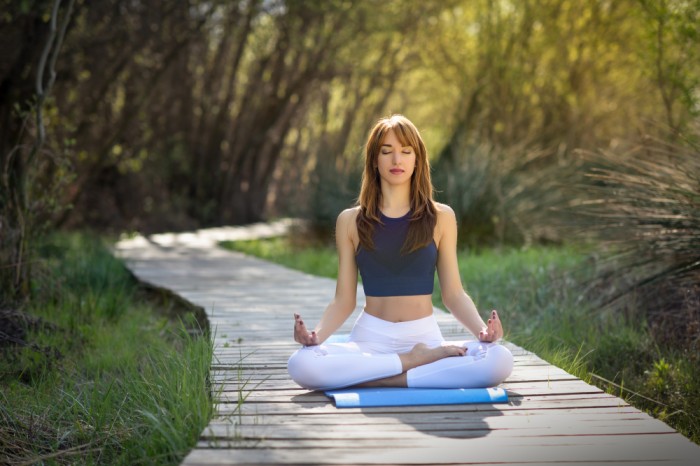
While yoga often conjures images of physical poses and flexibility, its roots delve much deeper into a philosophy that emphasizes harmony between body, mind, and spirit. This ancient discipline aims to foster self-awareness, discipline, and personal growth. Yoga, derived from the Sanskrit term “yuj,” meaning to unite, is traditionally seen as a pathway to connect individual consciousness with a higher state of awareness. It encourages practitioners to slow down, introspect, and cultivate inner balance.
The classical foundation of yoga is deeply influenced by the teachings of Patanjali, who introduced the Eight Limbs of Yoga—principles guiding individuals toward a mindful and meaningful life. The first limb, Yama, focuses on interpersonal principles such as non-violence, truthfulness, honesty, moderation, and detachment. These values are essential for fostering harmonious relationships and a peaceful existence.
Niyama, the second limb, emphasizes personal discipline and growth through self-discipline, inner cleanliness, gratitude, self-reflection, and personal improvement. This principle underlines the belief that true transformation starts from within, achieved through awareness and consistent practice. The third limb, Asana, comprises the physical postures of yoga, which are often recognized in modern practice. Traditionally, these postures were intended to prepare the body for meditation and achieve stability and comfort.
In the realm of breath control, Pranayama, the fourth limb, involves breathing techniques that connect the body and mind, enhancing focus, calm, and awareness. Many yoga traditions view breath control as a vital tool for emotional regulation and maintaining balance. Pratyahara, the fifth limb, teaches the redirection of attention inward, reducing reliance on external stimuli and encouraging self-awareness. This inward focus sets the stage for Dharana, the sixth limb, which is about developing concentration by focusing on a single point like the breath or a sound, thus refining mental clarity and reducing scattered thoughts.
The journey continues with Dhyana, the seventh limb, representing a deeper meditation state characterized by continuous concentration and calm awareness. Finally, Samadhi, the eighth and ultimate stage, embodies complete awareness and connection, reflecting profound inner peace and a sense of unity beyond the self. Together, these eight limbs illustrate yoga as a comprehensive approach to achieving physical health, mental discipline, and spiritual growth, far beyond the confines of mere exercise. This holistic path offers a balanced way of living, integrating the physical with the spiritual.