
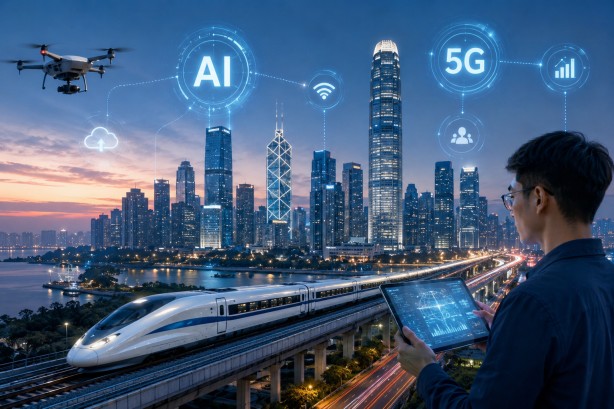
China is making significant strides in bolstering its digital economy, marked by the expanded use of artificial intelligence, enhanced digital infrastructure, and the integration of smart technologies across various sectors and public services. By 2025, this digital transformation has elevated the nation’s digital economy to 49 trillion yuan ($7.22 trillion), accounting for approximately 35% of its GDP. Moreover, the core digital industries alone have contributed over 10.5% to the GDP, underscoring the vital role they play in the country’s economic framework.
Looking ahead, China’s 15th Five-Year Plan, covering the period from 2026 to 2030, sets ambitious goals to further integrate AI applications into different facets of society. Key objectives include enhancing data security, refining digital governance structures, and fostering international collaboration. This strategic plan aims to solidify China’s position as a leader in the global digital landscape by tackling essential areas that support sustainable growth and innovation.
Beijing, among other major cities, is at the forefront of this digital shift, showcasing innovations that are reshaping both economic prospects and public services. Initiatives such as internet hospitals, AI-powered traffic control systems, shared medical imaging platforms, and smart utility networks exemplify how technology is being leveraged to improve urban living and efficiency. These advancements highlight the transformative impact digital technologies are having on everyday life and economic development in China.
The emphasis on digital infrastructure and smart technology adoption is not just about economic metrics; it’s about improving the quality of life for millions of citizens. By integrating these technologies into public services, China is setting a benchmark for how nations can harness digital tools to drive economic growth while enhancing the efficiency and accessibility of essential services.